Reviewing Autism Sublimation: Different Not Less for Embroidery
As a designer who has spent years digitizing and reviewing files for real-world production, I approach every new asset with a critical eye. We are not just looking at pretty pictures; we are evaluating how a design translates from screen to stitch. Recently, I evaluated the Autism Sublimation, Different Not Less design to determine its viability for professional embroidery projects. While this product is marketed primarily for sublimation and print-on-demand within the Crafts and Graphics categories, its visual structure offers interesting possibilities for hybrid applications and machine embroidery adaptation.
First Impressions and Visual Personality
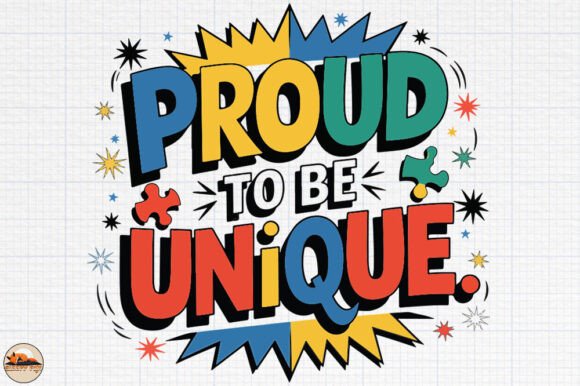
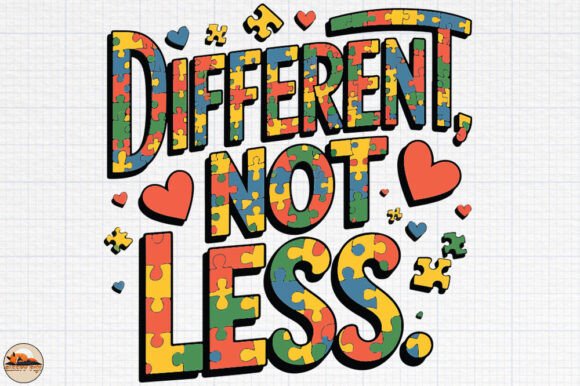
The phrase "Different Not Less" carries significant emotional weight, particularly within the neurodiversity community. The design’s layout reflects this balance of strength and sensitivity. Upon opening the provided files—specifically the high-resolution 4500×5400 PNG at 300 dpi—the clarity is immediately apparent. For a designer, this resolution is crucial. It allows us to zoom in and inspect the edges of the typography and any accompanying graphic elements without pixelation.
The mood created by this design is one of advocacy and pride. It is not overly clinical nor excessively playful; it strikes a mature, respectful tone. This makes it versatile. It does not scream "children's item" exclusively, which opens up market opportunities for adult apparel, tote bags, and home decor. The visual personality is clean and direct, which is essential when considering how complex graphics translate into thread.
Real-World Application: The Custom Tote Bag Scenario
To test the practical value of this design, I imagined a specific client project: a custom embroidered tote bag for a local autism awareness walk. The client wanted something durable, washable, and visually striking. While the Autism Sublimation, Different Not Less package includes SVG, PDF, and EPS files ideal for cutting machines or printing, using it as a reference for embroidery requires careful planning.
If I were to digitize this concept or use a converted version for a sweatshirt embroidery project, the primary concern would be legibility. The design’s effectiveness relies on the clear reading of the text. On a canvas tote bag, the texture of the fabric can interfere with fine details. Therefore, I would recommend using this design on smoother fabrics or ensuring that the digitized version uses adequate fill stitches to bridge the gaps in the fabric weave. The result would be a handmade product that feels substantial and professional, rather than a flimsy printed afterthought.
Performance Across Different Products
The versatility of this design extends beyond tote bags. Here is how it performs in various common embroidery scenarios:
- Custom Apparel: For hoodies and sweatshirts, the design works well on the chest or back. However, because sublimation designs often feature gradients or complex color blends, an embroiderer must simplify the color palette. Reducing the design to solid thread colors ensures stitching clarity and reduces machine run time.
- Baby Embroidery: When adapting this for baby clothes, scale is everything. The design must be resized to fit smaller hoop sizes without losing the integrity of the lettering. Tiny lettering can become a tangled mess of thread if the stitch density is too high for delicate fabrics.
- Embroidered Patches: This is perhaps the strongest use case for a design like this. A patch allows for dense satin stitches and clean borders, making the "Different Not Less" message pop. It can then be ironed or sewn onto caps, jackets, or bags, offering a flexible product for small shop owners.
- Home Decor: Pillow covers and kitchen towels benefit from the simplicity of the message. However, on textured items like waffle-weave towels, the design needs bold lines to remain visible.
Technical Considerations and Constraints
It is vital to address where this design should be used carefully. Since the source files are optimized for sublimation (printing), they do not inherently contain stitch data. If you are an Etsy seller or craft business owner planning to sell finished embroidered items, you cannot simply load the PNG or SVG into your embroidery machine. You must either digitize the design yourself or purchase a dedicated machine embroidery design file.
When adapting such graphics for embroidery, consider the following technical constraints:
- Stitch Density: Sublimation prints can handle infinite detail; embroidery cannot. Dense areas of color in the original graphic must be converted to appropriate fill stitches. Over-digitizing can lead to puckering, especially on stretchy fabrics like t-shirts.
- Fabric Texture and Color: The design’s impact depends heavily on contrast. On dark fabric, you will need bright, contrasting thread colors. On light fabric, ensure the threads are not so pale that they disappear. Always test the design on scrap fabric first to check thread color contrast and tension.
- Small Details: If the design includes intricate symbols alongside the text, these may need to be simplified. Tiny corners and sharp angles can cause thread breaks or look messy when stitched. Rounding off sharp corners in the digitizing phase often yields a cleaner finished product.
- Stabilizer Selection: For a design of this nature, likely involving text and solid shapes, a cut-away stabilizer is recommended for knit fabrics like hoodies to prevent distortion. For woven fabrics like tote bags, a tear-away may suffice, but testing is key.
Enhancing Brand Consistency and Customer Trust
For commercial embroidery projects, consistency is king. Using a well-structured design like Autism Sublimation, Different Not Less helps maintain brand professionalism. When customers see clean, well-stitched lettering, their trust in your handmade product increases. It signals that you care about quality.
Moreover, the message itself drives buyer engagement. Advocacy designs are powerful sellers. They allow customers to express their values. By offering this design on high-quality items like aprons, caps, or nursery decor, you are not just selling a product; you are providing a tool for expression. This emotional connection can significantly boost the perceived value of your small shop product.
Practical Designer Notes for Implementation
Before launching this design in your store or using it for a client, follow these practical steps:
- Check Licensing: The product description lists PNG, SVG, PDF, and EPS files. Confirm whether the license allows for commercial use of physical embroidered items. Some graphic licenses differ from embroidery-specific licenses.
- Create Mockups: Use the high-resolution PNG to create printable mockups. Test the design in black and white to ensure the shape and layout hold up without color reliance. This helps in visualizing how it will look as a single-color embroidery piece.
- Digitize with Care: If converting the SVG to an embroidery file, pay attention to underlay stitches. Proper underlay ensures the top stitches sit flat and look professional, especially on textured fabrics.
- Consider Hybrid Techniques: Since this is a sublimation design, consider a hybrid approach. Print the design via sublimation on a polyester patch, then embroider a border around it. This combines the detail of print with the texture of embroidery, creating a unique boutique branding element.
In conclusion, while Autism Sublimation, Different Not Less is delivered as a graphic asset, its clean layout and powerful message make it an excellent candidate for embroidery adaptation. By respecting the technical limits of thread and fabric, designers can transform this digital file into a tangible, high-value handmade product. Whether for holiday embroidery gifts, everyday custom apparel, or awareness campaigns, the key lies in thoughtful digitizing and rigorous testing. The result is a finished product that honors the message and showcases the skill of the maker.