Reviewing the Mother’s Day Kids Tshirt Vector for Embroidery
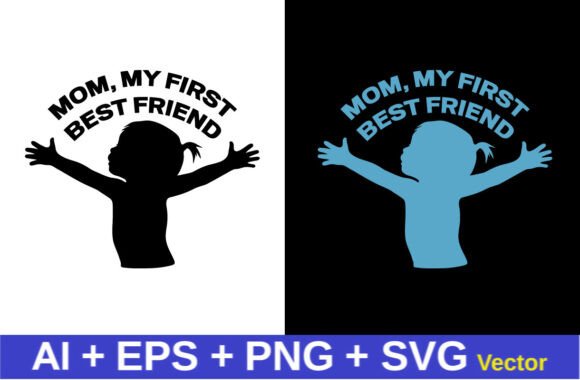
As a designer who spends half my life staring at digitized paths and the other half pulling bobbins out of tangled messes, I approach every new machine embroidery design with a healthy dose of skepticism. We have all been there: you download a file that looks crisp on the screen, only to watch it pucker, distort, or lose its charm once the needle hits the fabric. That is why I took a close, practical look at the Kids Tshirt Design, Mother s Day Vector. While the product description highlights its utility for screen printing and digital DTG printing, my interest lies in how this graphic translates into thread for real-world craft business applications.
First Impressions: Mood and Visual Personality
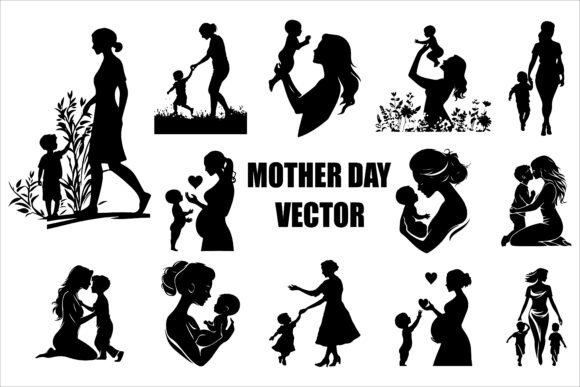
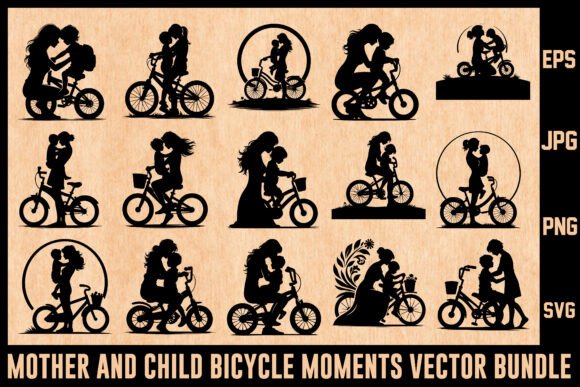
The first thing that strikes me about this Graphics asset is its inherent versatility. The theme is unmistakably warm and affectionate, tailored specifically for the emotional weight of Mother’s Day. However, unlike some overly sentimental designs that rely on intricate, fragile details, this vector maintains a bold, clean structure. For an embroidery reviewer, this is a good sign. Clean lines usually translate well to stitch paths, reducing the risk of thread breaks or confusing jumps.
The layout feels balanced, designed to sit comfortably on the chest of a child’s garment without overwhelming the small canvas. It creates a mood of playful sincerity. Whether you are targeting boys or girls, the design avoids gender-specific clichés, making it a safer bet for inventory planning. In the realm of Crafts, versatility is currency. A design that works for a son, a daughter, a nephew, or a grandchild increases the likelihood of a sale for any Etsy seller or boutique owner.
Real-World Application: Beyond the T-Shirt
While the title specifies a t-shirt design, my mind immediately goes to other substrates. I recently worked on a batch of custom tote bags for a local spring market, and I found myself thinking about how this specific vector would perform there. A tote bag design requires durability and visual clarity from a distance. Because this vector appears to have solid shapes rather than wispy, disconnected elements, it would likely hold up well on canvas or heavy cotton.
Consider sweatshirt embroidery. This is a huge category for Q2 sales. The thickness of a fleece or French terry cloth demands a design that isn’t too dense, or else you end up with a stiff, cardboard-like patch on the chest. If this vector is adapted correctly into an embroidery file, it could serve as a beautiful centerpiece for a mom’s hoodie or a child’s zip-up. It also has potential for baby embroidery projects, such as onesies or bibs, provided the scale is reduced appropriately and the stitch count is managed to keep the fabric soft against sensitive skin.
For those running a small shop product line, this design could easily be transformed into an embroidered patch. Patches are trending, and they allow customers to add a personal touch to denim jackets or backpacks. Using this vector as the basis for a merrowed-edge patch would give it a professional, retail-ready finish that elevates the perceived value of the finished product.
Technical Considerations for Stitching
Here is where we need to get practical. Since the source material is described as a vector for printing, it is not inherently an embroidery file. This distinction is critical. You cannot simply feed a SVG or AI file into your embroidery machine. You must digitize it or purchase a pre-digitized version. If you are digitizing this yourself, pay close attention to stitch density.
Vector graphics often have sharp corners and perfect curves. In embroidery, sharp corners can cause thread bunching. You will need to use appropriate underlay stitches and potentially soften the corners slightly in your digitizing software. If the design includes text, ensure the lettering is thick enough to be filled with a fill stitch or outlined with a satin stitch without becoming illegible. Tiny details that look great in print can disappear under thread.
When working with thread colors, contrast is key. Since this is for kids’ apparel, bright, cheerful palettes are standard. However, always test your design on both light and dark fabrics. A design that pops on white cotton might vanish on navy blue if you haven’t planned for a proper underlay or border. Use a running stitch for outlines if you want a sketchy, hand-drawn look, but be aware that this requires more precision in hooping.
Fabric and Hoop Constraints
Not every fabric is created equal. If you are applying this to a custom apparel piece made of stretchy jersey knit, you must use a cut-away stabilizer. Tear-away stabilizers can distort the design over time, especially after washing. For woven fabrics like linen tea towels or apron cotton, a tear-away might suffice, but always test on scrap fabric first.
Be cautious with curved surfaces like caps. While the design might fit within a standard cap hoop, the curvature can distort the visual proportions. What looks centered on a flat mockup might look off-center on a rounded crown. Always create a printable mockup or physically stitch a sample on a similar curved surface before committing to a large production run.
Also, consider the hoop size. If the design is large, you may need to split it or use a larger hoop, which not all home machines support. Check the dimensions of the vector against your machine’s maximum embroidery area. If the design is too detailed for a small 4x4 hoop, it will lose its clarity. Simplify if necessary.
Commercial Viability and Brand Consistency
For commercial embroidery professionals, consistency is everything. This design’s clean aesthetic lends itself well to brand consistency. It doesn’t scream "amateur hour." When customers receive a personalized gift featuring this design, they should feel like they bought something premium. The visual appeal directly impacts customer trust.
If you are selling this as part of a holiday embroidery collection, ensure that the style matches your other offerings. Mixing overly complex, dense designs with simple, clean vectors can make your shop look disjointed. This particular design fits well in a modern, minimalist, or playful boutique aesthetic.
Final Verdict and Designer Notes
The Kids Tshirt Design, Mother s Day Vector is a strong candidate for conversion into embroidery, provided you respect the technical limitations of the medium. It is not just a pretty picture; it is a functional asset for design assets libraries. However, do not assume it is ready to stitch out of the box.
- Test on scrap: Never skip this step. Check for puckering and thread breaks.
- Check licensing: Ensure the license allows for commercial use if you are selling finished items.
- Digitize carefully: Adjust pull compensation and density for the specific fabric type.
- Mockup realistically: Show customers how it looks on actual garments, not just flat white backgrounds.
In conclusion, this design offers a solid foundation for a variety of embroidery project types. From baby clothes to adult tees, its adaptability is its strength. Just remember that the transition from vector to thread requires a skilled hand. Treat it with the respect it deserves, and it will become a reliable staple in your spring inventory.