Reviewing He Plays Baseball She Cheers for Embroidery
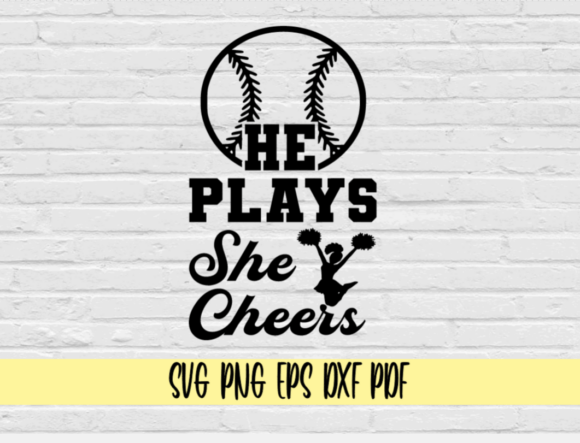
As a designer who spends more time staring at stitch maps than actual fabric, I have learned to be skeptical of trendy graphic sets. Most look fantastic on a screen but turn into a tangled mess under the needle. However, when I pulled up He Plays Baseball She Cheers, my initial reaction was one of cautious optimism. This isn’t just another generic sports clipart bundle; it is a thematic pairing that speaks directly to a very specific, loyal niche in the Crafts and apparel market. The concept is simple: one half celebrates the athlete, the other supports the spirit. But simplicity in graphics often translates to complexity in embroidery if the details aren’t handled correctly.
First Impressions and Visual Personality
The mood of this design set is energetic yet balanced. Visually, it leans into the classic Americana aesthetic associated with baseball season—clean lines, bold shapes, and a sense of movement. For an embroidery project, this is promising. Bold shapes generally digitize better than intricate, wispy details because they allow for consistent stitch coverage without excessive jump stitches or thread breaks.
What stands out immediately is the complementary nature of the two graphics. They are designed to work together, likely for matching family outfits or couple-themed merchandise. From a layout perspective, the balance between the "He" and "She" elements feels intentional. If you are an Etsy seller or a small shop owner, this duality offers a immediate upsell opportunity. You aren't just selling one shirt; you are selling a narrative. The visual personality is playful but polished, avoiding the childish cartoon look that can sometimes devalue a handmade product.
Real-World Application: The Custom Sweatshirt Test
To truly evaluate He Plays Baseball She Cheers, I mentally placed it on a heather grey crewneck sweatshirt, a staple in any custom apparel lineup. This is where theory meets practice. Baseball and cheer themes are perennial sellers, particularly during spring and fall seasons. Imagine a customer ordering these for a high school junior’s game day or a little league opening ceremony.
On a sweatshirt, the texture of the fleece provides a forgiving background for embroidery. The design’s lines would need to be thick enough to sink slightly into the fabric without disappearing. If this were a sweatshirt embroidery project, I would recommend using a cutaway stabilizer to ensure the design remains stable through multiple washes. The contrast between the thread colors and the heather grey fabric would be crucial. A navy blue thread for the baseball element and a vibrant red or pink for the cheer element would pop nicely, creating a visually appealing finished product that looks professional rather than homemade.
Versatility Across Product Lines
Beyond sweatshirts, this graphic set has legs in other areas. Consider a canvas tote bag design. Canvas is dense and holds stitches well, making it ideal for larger versions of the design. Here, the durability of the stitch type matters. If the original digital embroidery file uses too many satin stitches on wide areas, it might pull the fabric. A fill stitch approach would be safer for larger tote applications.
For baby embroidery, such as a onesie or a soft blanket, scale is everything. You would need to resize the design significantly. This is where you must check the integrity of the small details. If the design includes tiny text or thin lines, shrinking it for a baby item might cause the stitches to merge, creating a blob rather than a clear image. Always test on scrap fabric first. Similarly, for an embroidered patch, the design needs a clean border. Patches are often cut close to the edge, so ensure the design elements don’t hang too precariously near the perimeter.
Technical Considerations for Stitching
Let’s talk about the mechanics. While the product description mentions availability in SVG, PNG, EPS, DXF, and PDF formats, it is vital to distinguish between vector graphics for printing and machine files for stitching. If you are using this as a machine embroidery design, you need the proper DST, PES, or JEF files, depending on your machine. If you are converting the SVG yourself, pay close attention to stitch density.
Baseball bats and cheer pom-poms have distinct shapes. The bat is long and narrow, which is perfect for a satin stitch column. The pom-poms, however, are radial and textured. A standard fill stitch might look flat. If you have control over the digitizing, consider using a combination of running stitches for outline definition and varied angle fill stitches to mimic the fluffiness of the pom-poms. This adds depth and makes the applique design feel more dynamic.
Fabric choice dictates success. On dark fabrics, you might need an underlay of white thread to prevent the garment color from showing through the top stitches. On stretchy fabrics like jersey t-shirts, a heavy stabilizer is non-negotiable. Without it, the tension of the threads will pucker the fabric around the He Plays Baseball She Cheers motif, ruining the clean look you are aiming for.
Commercial Viability and Brand Consistency
For commercial embroidery professionals, consistency is key. This design set allows for brand consistency if you are building a sports-themed collection. It signals to your customers that you understand their lifestyle. It’s not just a random graphic; it’s a reflection of their weekends, their family dynamics, and their passions. This emotional connection drives buyer engagement.
However, before listing these as design assets for sale or using them in products for sale, you must confirm the licensing terms. Just because a file is available in multiple formats does not automatically grant commercial rights. Check the specific license attached to the purchase. If it is for personal use only, you cannot sell shirts featuring this design. If it includes a commercial license, verify if there are restrictions on the number of physical items you can produce.
Avoiding Common Pitfalls
- Small Hoop Sizes: Do not force a large design into a 4x4 hoop by shrinking it excessively. Details will be lost. Instead, crop or simplify if necessary, or use a larger hoop.
- Curved Surfaces: Embroidering on caps requires special attention. The curvature of the cap can distort the design. Ensure the design is centered and that the stabilizer is hooped tightly to prevent shifting.
- Thread Color Contrast: Test your thread choices against both light and dark fabrics. A design that looks great on white might vanish on black if the thread colors are too muted.
- Washability: Sports gear gets dirty. Ensure your stitch density is high enough to withstand frequent washing without unraveling, but not so dense that it creates a stiff, cardboard-like feel on the garment.
Final Verdict for Makers and Designers
He Plays Baseball She Cheers is a strong contender for spring and summer product lines. It taps into a evergreen market with a design that is visually coherent and emotionally resonant. For the craft business owner, it offers versatility across multiple product types, from holiday embroidery gifts for Father’s Day or Mother’s Day to everyday custom apparel.
My advice is to treat this as a starting point. Use the provided files as a base, but refine the stitch parameters for your specific machine and fabric combinations. Create printable mockup previews to show customers how the design looks on different items. By paying attention to the technical details—stabilizer, thread tension, and fabric texture—you can elevate this graphic from a simple download to a high-value small shop product. In the world of handmade goods, execution is everything. This design gives you a solid foundation; your skill with the needle will determine its final success.