Proud to Be Unique: A Designer's Take on Autism Sublimation
As someone who spends more time staring at stitch maps than most people spend watching television, I approach every new design asset with a mix of curiosity and caution. When I first opened the files for Proud to Be Unique, Autism Sublimation, my immediate reaction wasn't just about the visual appeal; it was about potential. In the world of Crafts and Graphics, we often see designs that look fantastic on a screen but fall apart under the needle. However, this particular piece stands out because it bridges the gap between digital print readiness and tangible textile application.
The mood of this design is empowering without being overly clinical. It carries a warmth that is essential when creating items for the autism community. Whether you are an Etsy seller looking to expand your catalog or a hobbyist making a personalized gift for a nephew, the emotional resonance here is strong. But let's get into the nitty-gritty of how this actually performs when you move from the computer screen to the embroidery hoop.
From Screen to Stitch: Evaluating the Visual Personality
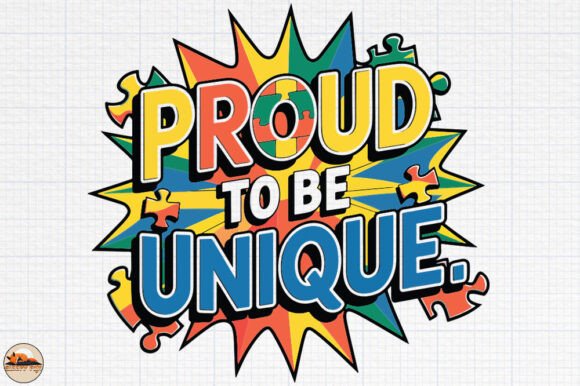
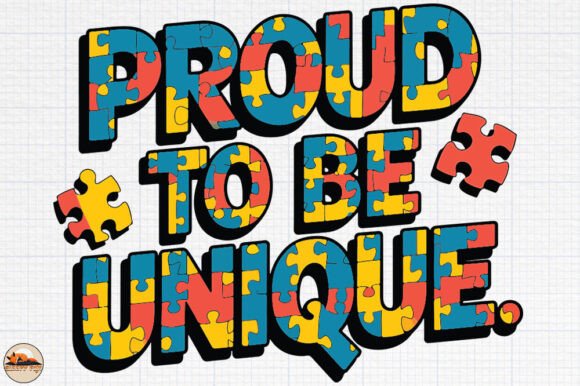
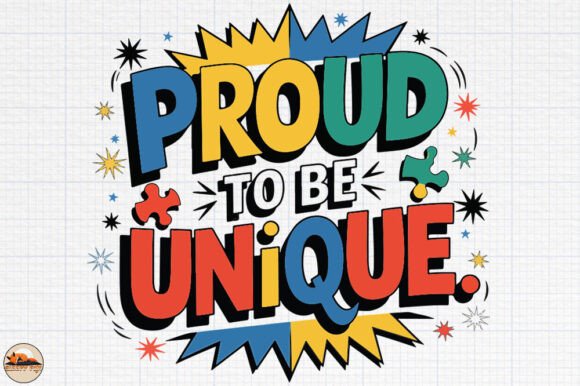
The first thing I noticed about Proud to Be Unique, Autism Sublimation is its layout. Even though the primary deliverable is a high-resolution PNG (4500×5400 at 300 dpi), which is technically a raster image meant for sublimation or printing, the clarity suggests it could serve as a robust reference for digitizing or direct appliqué work. The shapes are distinct, and the theme is immediately recognizable. For an embroidery designer, this means the core elements are bold enough to translate well into satin stitches or fill stitches without losing their identity.
If you were to use the included SVG or EPS files to create a cut file for appliqué, the lines appear clean. This is crucial. Nothing kills a handmade product faster than jagged edges or confusing negative space that traps lint. The design feels balanced, suggesting it would sit comfortably on the chest of a hoodie or centered on a tote bag. It doesn't scream for attention in an aggressive way; instead, it invites a closer look, which is perfect for fostering conversation and awareness.
Real-World Application: The Custom Sweatshirt Scenario
Let's imagine a real-life scenario. A client approaches you with a request for a custom sweatshirt embroidery project for a local support group walk. They want something that says "Proud to Be Unique" but needs it to feel soft and durable, not like a stiff plastic patch. While the source files here are optimized for sublimation (printing heat transfer), a savvy designer can use these Graphics as a master template.
You could take the vector data from the SVG or EPS file, import it into your digitizing software, and convert those solid blocks of color into textured fill stitches. By doing this, you maintain the integrity of the original art while adding the tactile quality of thread. On a heather grey sweatshirt, using variegated thread colors that mimic the sublimation gradient could create a stunning finished product. The customer sees the familiar design they loved online, but now it has the premium feel of actual stitching. This approach elevates the perceived value of your craft business significantly compared to simply printing the PNG onto transfer paper.
Alternatively, if you are sticking strictly to the sublimation route as intended, the 300 dpi resolution ensures that even on a large poster or a full-wrap mug, the image remains crisp. There is no pixelation, which builds immediate trust with the buyer. When a customer receives a item where the image is blurry, they question the professionalism of the seller. With Proud to Be Unique, Autism Sublimation, that risk is minimized.
Navigating Fabric Textures and Hoop Constraints
Every designer knows that fabric texture can make or break a project. If you are adapting this design for direct embroidery or using it as a guide for placement, you need to be mindful of the surface. On smooth fabrics like cotton t-shirts or polyester blends intended for sublimation, the design will shine. However, if you are attempting to recreate this look on a textured towel or a looped kitchen towel, the fine details might get lost.
For those considering turning this into an embroidered patch, pay close attention to the small details. Tiny lettering or intricate corners can become muddy if the stitch density is too high. If you are digitizing this yourself based on the provided vectors, I recommend testing a sample on scrap fabric first. Check how the thread colors contrast against the background. A design that pops on white might disappear on navy blue unless you adjust the outline or underlay.
Also, consider the hoop size. While the design files are scalable, physical embroidery machines have limits. If you are working on a cap or a curved surface, ensure the design fits within a standard cap frame without distorting the perspective. Curved surfaces require careful placement; a design that is too wide might wrap around the side of a hat awkwardly. For flat items like tote bag designs or pillow covers, you have more freedom, but always remember to use the proper stabilizer. A heavy design on a light fabric without adequate backing will lead to puckering, ruining the professional look you aimed for.
Building Brand Consistency and Customer Trust
In the competitive landscape of online selling, consistency is key. Using a high-quality base file like Proud to Be Unique, Autism Sublimation allows you to create a cohesive line of products. You can offer the sublimated version on mugs and posters while offering an embroidered version on aprons and baby clothes. This multi-channel approach maximizes your reach.
When customers see that your custom apparel matches your home decor items, it reinforces your brand identity. It shows that you care about the details. Furthermore, because this design touches on a meaningful cause, the quality of execution reflects directly on your respect for the community you are serving. A sloppy application can feel disrespectful, whereas a crisp, well-thought-out embroidery project honors the message of uniqueness and pride.
Practical Notes for the Professional Maker
Before you list this as a small shop product or include it in a bundle of digital embroidery files, there are a few housekeeping items to address. First, verify the licensing terms. Just because you purchased the file doesn't automatically grant unlimited commercial rights for every possible use case. Ensure you are cleared to sell finished items like shirts or mugs.
- Test Before Committing: Always run a test stitch-out or print on a cheap piece of fabric. Check the registration of colors and the sharpness of edges.
- Thread Selection: If embroidering, match your thread colors closely to the original sublimation palette to maintain the design's intent. Rayon threads often provide the sheen needed to mimic printed gradients.
- Mockups Matter: Use the high-res PNG to create realistic printable mockups for your online listings. Show the design on dark and light backgrounds so customers know what to expect.
- Washability: Remind your customers about care instructions. Sublimated items generally hold up well, but embroidered items with dense stitching may require gentle cycles to prevent thread fatigue.
Ultimately, Proud to Be Unique, Autism Sublimation is a versatile tool in your creative arsenal. It offers the flexibility of modern digital formats while inspiring traditional textile applications. Whether you are creating a holiday embroidery gift, a boutique branding element, or a simple baby embroidery keepsake, this design provides a solid foundation. It reminds us that in our craft, being unique isn't just a slogan; it's the very essence of what we do. By treating these files with the respect and technical scrutiny they deserve, you ensure that every item leaving your studio is a testament to quality and heart.