Soccer Awareness and Pom Design Review
As an embroidery designer who has spent countless hours digitizing, stitching, and troubleshooting designs for client projects, I have learned that not every graphic translates well to thread. When I first encountered the Soccer Awareness and Pom, Soccer Ball design, my initial reaction was one of cautious optimism. The concept blends two distinct visual languages: the structured, geometric precision of a soccer ball and the organic, flowing energy of cheerleading pom-poms. For those of us in the Crafts and Graphics space, finding assets that balance sporty aggression with playful charm is rare. This review breaks down how this specific asset performs when moved from a digital screen to a real-world machine embroidery design context.
First Impressions and Visual Personality
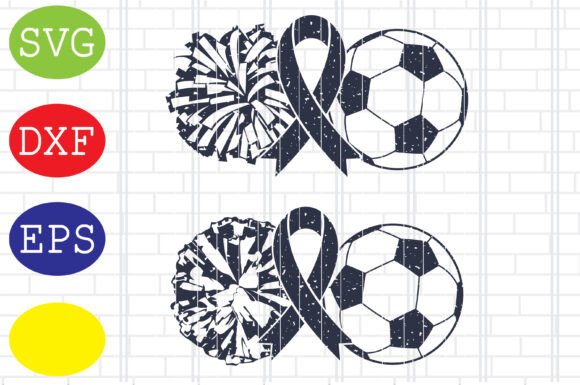
The mood created by Soccer Awareness and Pom, Soccer Ball is undeniably energetic. It speaks directly to the spirit of youth sports, team camaraderie, and school pride. Visually, the layout appears to prioritize recognition. The soccer ball serves as the anchor, providing a familiar shape that viewers instantly identify, while the pom elements add movement and softness. In terms of detail level, this is crucial for embroidery. If the lines are too thin or the shapes too complex, they will get lost in the stitch formation. From a designer’s perspective, the contrast between the hard edges of the ball and the fluffy texture implied by the poms offers a nice opportunity to play with different stitch types, such as combining a tight satin stitch border with a lighter fill stitch interior.
This design naturally belongs to projects that celebrate activity and support. It is not a subtle, minimalist piece; it is bold and declarative. Therefore, it fits best on items meant to be seen from a distance, such as the back of a jacket or the front of a large tote. It creates a sense of belonging and enthusiasm, which is exactly what customers look for when buying personalized sports merchandise.
Real-World Application: The Custom Sweatshirt Scenario
To truly evaluate this asset, let’s walk through a realistic scenario. Imagine a local mom-and-pop shop owner who needs to fulfill an order for a youth soccer team’s end-of-season gifts. They choose to use Soccer Awareness and Pom, Soccer Ball on mid-weight cotton sweatshirts. This is a common use case for custom apparel. The designer downloads the zip file, which includes SVG, DXF, JPG, and EPS formats. Since we are dealing with embroidery, the vector files (SVG, EPS, DXF) are essential for resizing without losing quality before digitizing or if the package includes pre-digitized embroidery files.
In this scenario, the design is placed on the left chest area. The thread colors chosen are classic black and white for the ball, with vibrant team colors for the poms. The result is a clean, professional look that elevates the perceived value of the garment. Customers—parents and players alike—react positively because the design feels intentional and high-quality. It does not look like a cheap iron-on transfer; the texture of the thread adds depth that flat Graphics cannot achieve. This kind of finished product builds trust and encourages repeat business for the Etsy seller or boutique owner.
Navigating Technical Challenges and Fabric Choices
However, practical design judgment requires us to look at where things might go wrong. Soccer Awareness and Pom, Soccer Ball must be used carefully depending on the substrate. For instance, placing this on a curved surface like a cap requires precise hooping and potentially a smaller version of the design to avoid distortion. If the design includes tiny lettering or intricate details within the pom-poms, these may not stitch out clearly on textured fabrics like terry cloth towels or fuzzy fleece blankets.
When working with stretchy fabric, such as performance jerseys, the stitch density becomes a critical factor. A design that is too dense can cause puckering, ruining the look of the embroidered patch or direct embroidery. I always recommend testing the design on scrap fabric first. This allows you to check if the stabilizer you are using is sufficient. For light-colored fabrics, a white stabilizer works well, but for dark garments, you might need to adjust thread colors or use a tear-away backing to prevent visible residue. Additionally, if the design relies on fine lines, ensure your machine’s tension is calibrated correctly to prevent thread breaks or loose stitches.
Enhancing Brand Consistency and Product Value
Beyond the technical aspects, this design impacts the overall brand consistency of a craft business. Using cohesive design assets helps create a recognizable style. If your shop specializes in sports-themed items, Soccer Awareness and Pom, Soccer Ball fits seamlessly into a collection that might include other sports motifs. It enhances the giftability of items like baby onesies or nursery decor, appealing to parents who want to introduce their children to sports early on. The professional presentation of such a design in printable mockup previews can significantly boost buyer engagement online. When customers see a crisp, well-stitched example, they are more likely to perceive the item as a premium personalized gift rather than a generic commodity.
Practical Notes for the Embroidery Designer
Before you commit to running this design on a final product, consider these practical steps. First, verify the file formats provided. The description mentions SVG, DXF, JPG, and EPS. If you are using an embroidery machine, you will likely need to convert these vectors into a machine-specific format (like PES or DST) using digitizing software, unless the seller provides native embroidery files. Always confirm licensing terms. Can you use this for commercial embroidery? Most digital products allow for physical sales but restrict the resale of the digital file itself. Clarify this to protect your small shop product line.
- Test on Scrap: Always stitch a test run on the same fabric type you intend to use for the final product.
- Check Contrast: Ensure your thread colors stand out against the fabric. A black ball on a navy shirt may disappear.
- Review Density: If the design feels heavy, reduce the fill density in your digitizing software to prevent puckering.
- Hoop Size: Confirm the design fits within your available hoop size, especially for smaller items like baby clothes.
- Inspect Details: Zoom in on the digital file to check for any overlapping paths or nodes that could cause machine errors.
In conclusion, Soccer Awareness and Pom, Soccer Ball is a versatile asset for designers who understand its strengths and limitations. It offers a lively, engaging aesthetic that works well for a variety of holiday embroidery projects, team uniforms, and casual wear. By paying attention to fabric texture, stabilizer choice, and stitch optimization, you can transform this digital graphic into a tangible, high-quality handmade product that resonates with customers. Whether you are creating a tote bag design for a local market or a set of baby embroidery items for a boutique, this design holds potential when handled with professional care and creative insight.