Gardening Houseplant Line Art: Graphics for Crafts
As a digital product creator who has spent years navigating the ebbs and flows of online marketplaces, I approach every new graphic design asset with a critical eye. It is not just about whether an image looks pretty; it is about whether it can be transformed into a viable digital product that sells. Recently, I evaluated the Gardening Houseplant Line Art Graphic to see if it holds up under the scrutiny of commercial use. My goal was to determine if this file could serve as the foundation for a new collection on Etsy, Creative Fabrica, or a print-on-demand store.
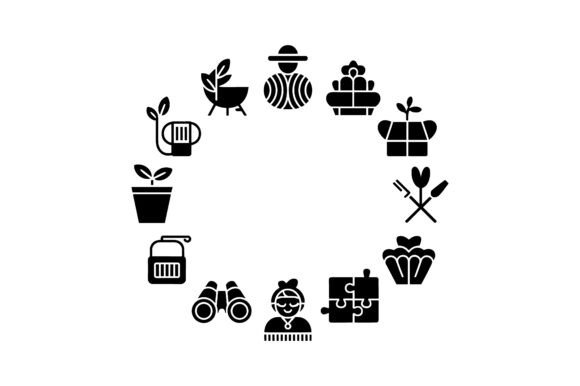
Upon opening the file, the first impression is one of refined simplicity. The design captures the essence of modern botanical aesthetics without feeling cluttered. As the description suggests, this charming illustration is tailored for the contemporary plant parent, featuring a circular arrangement that highlights the essential tools and joys of gardening. The mood is serene and inviting, striking a balance between rustic charm and modern minimalism. This visual personality is crucial because it appeals to a broad demographic, from young adults decorating their first apartments to seasoned hobbyists looking for sophisticated decor. For sellers in the Crafts niche, this versatility is a significant advantage.
Real-World Application for Online Sellers
The true test of any illustration is its adaptability across various product types. In my hypothetical shop scenario, I imagined launching a spring collection centered around urban gardening. The Gardening Houseplant Line Art Graphic fits seamlessly into this strategy. Because it is a line art style, it works exceptionally well as an SVG design for Cricut and Silhouette users. I can easily visualize this being cut from vinyl to create decals for water bottles or heat-transfer vinyl for t-shirt designs. The clean lines ensure that even intricate details, like the texture of a pot or the shape of a leaf, remain distinct when cut.
For those focusing on printable design files, this asset shines as a centerpiece for wall art. A set of black-and-white prints framed in simple wood or metal frames would appeal to customers seeking affordable, stylish home decor. Furthermore, the circular composition makes it an ideal candidate for sublimation design projects. I would immediately test this on curved surfaces like mugs and tumblers. The symmetrical nature of the graphic ensures it looks balanced regardless of the viewing angle, which is often a challenge with asymmetrical clipart.
Beyond physical goods, this graphic is a goldmine for digital template creators. If you sell Canva templates, this element could be used to create invitation suites for garden-themed parties, planners for tracking plant care schedules, or social media kits for landscaping businesses. The neutral style allows it to pair well with various typography choices, whether you opt for a bold sans-serif for a modern look or a flowing script font for a more organic feel.
Enhancing Product Presentation and Brand Identity
In the crowded world of creative marketplace listings, visual hierarchy is everything. Using the Gardening Houseplant Line Art Graphic in your product mockup images can significantly boost click-through rates. When I prepared my listing previews, I placed the graphic on a textured paper background to emphasize its handmade quality. This technique adds perceived value, making a simple digital download feel like a premium design bundle.
Consistency is key to building small business branding. By using this single asset across multiple products—such as matching tote bags, sticker sheets, and greeting cards—you create a cohesive collection that encourages customers to purchase more than one item. The graphic acts as a visual anchor, telling a story about your brand's focus on nature, growth, and creativity. For Etsy product listings, high-quality thumbnails featuring this clear, high-contrast line art stand out against busy search result pages.
Strategic Placement and Potential Pitfalls
While this asset is versatile, it is not without its limitations. It works best in layouts where it has room to breathe. Large product previews, decorative layouts, and standalone merchandise graphics allow the fine lines to be appreciated. However, caution is required when scaling the image down for tiny sticker details or complex, crowded thumbnails. In low-resolution print products, the thinnest lines of the gardening tools might disappear or blur, reducing the overall quality.
Another consideration is background contrast. As a line art piece, it relies heavily on the difference between the ink and the substrate. On dark backgrounds, the black lines will vanish unless you invert the colors or add a white stroke, which can sometimes alter the delicate aesthetic. Similarly, avoid placing this graphic over busy patterns or text-heavy templates where it might compete for attention. For Cricut projects requiring clean cutting lines, always inspect the SVG nodes to ensure there are no stray points that could cause weeding issues.
Practical Notes for Commercial Success
Before publishing any listing featuring the Gardening Houseplant Line Art Graphic, rigorous testing is essential. I recommend printing the design on actual paper to check how the lines render on different textures. Verify the PNG transparency to ensure there are no unwanted white halos around the edges. If you are offering this as part of a design bundle, organize your files clearly, separating the SVG, PNG, and EPS formats to enhance the customer experience.
Typography pairing is another critical step. This graphic pairs beautifully with handwritten fonts that mimic the organic flow of plants, but it also holds its own against structured display fonts. Experiment with different combinations to see what resonates with your target audience. Finally, and most importantly, always confirm the commercial license terms. Ensure you have the rights to use this commercial design in finished products for sale, whether they are physical goods like mug designs or digital assets like social media graphics.
In conclusion, the Gardening Houseplant Line Art Graphic is a robust tool for the serious digital seller. It bridges the gap between artistic expression and commercial viability. Whether you are creating packaging design for a handmade soap business or developing a new line of sticker designs for planners, this asset provides a solid foundation. By understanding its strengths in visual storytelling and respecting its technical limitations, you can leverage this graphic to build a professional, profitable, and aesthetically pleasing product line.