Baseball Game Day T Shirt Design Review
As a designer who spends more time staring at stitch maps than actual games, I approach every new machine embroidery design with a healthy dose of skepticism. We've all been there: you download a file that looks crisp on the screen, only to watch it turn into a bird's nest of thread on your machine. That is why I took a close look at the Baseball Game Day T Shirt Design before committing it to any client projects or personal handmade products. This isn't just about whether it looks cute; it is about whether it holds up under the needle and delivers value to the end user.
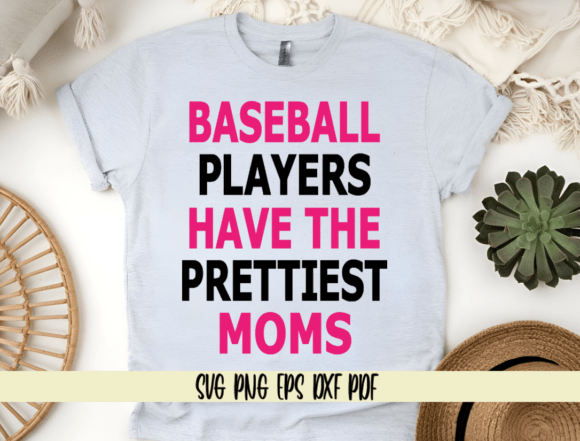
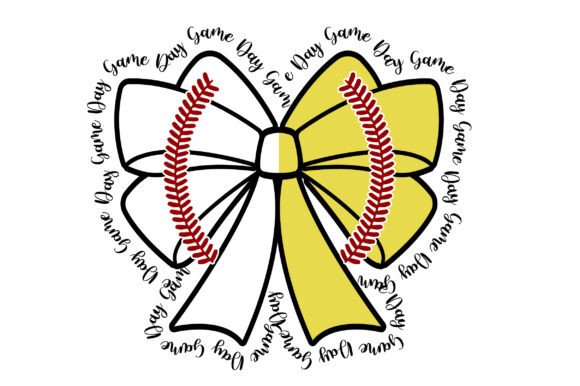
The first impression of this design is energetic and spirited. It captures that specific "game day" mood without feeling overly cluttered. The layout suggests a balance between bold graphical elements and readable text, which is crucial for apparel. When I visualize this as a finished product, I immediately think of custom apparel for little league teams, family reunions centered around a tournament, or boutique items for sports moms. The visual personality feels modern yet timeless enough to not look dated next season. For an Etsy seller or small shop owner, this kind of versatility is gold. It fits naturally into the Crafts category but elevates itself through clean lines that suggest professionalism.
Real-World Application: The Weekend Tournament Rush
To truly test the viability of this design, I imagined a real-life scenario that many of us face: the last-minute order for a local travel baseball team. Picture a parent needing matching sweatshirt embroidery for a chilly weekend tournament or a set of personalized tote bags for carrying gear. In this context, the Baseball Game Day T Shirt Design shines because of its adaptability.
If I were stitching this onto a heavyweight cotton hoodie, the design's structure would likely hold up well against the fabric's texture. The key here is how the elements interact. A design like this needs to breathe. If the elements are too tight, the fabric puckers; if they are too sparse, it looks amateurish. Based on the preview, this graphic seems to have the right density for medium-to-heavy fabrics. It would make an excellent personalized gift for a coach or a standout player. Furthermore, for those selling digital embroidery files, offering this as part of a bundle for team parents could drive significant engagement. It speaks directly to a niche audience that is always looking for ways to show team spirit.
Navigating Fabric Challenges and Stitch Types
However, no design is perfect for every situation, and practical judgment is required. While this graphic works beautifully on stable fabrics like twill or heavy cotton, caution is needed when moving to trickier materials. If you plan to use this for baby embroidery on a soft onesie, you must consider the stitch density. Dense areas, often found in solid fill sections of sports graphics, can make stiff patches on delicate skin.
I would recommend analyzing the stitch types used in the file. Ideally, you want to see a mix of satin stitch for borders and text to give a shiny, premium look, and fill stitch for larger graphical areas. If the design relies heavily on running stitches for detail, it might not survive frequent washing, which is inevitable for game day gear. Also, consider the background. On dark fabrics, does the design include an underlay or backing recommendation? Without proper contrast planning, a dark navy shirt could swallow the details of the graphic. Always test on scrap fabric first, especially if you are working with stretchy performance materials common in sports apparel.
Commercial Viability and Brand Consistency
For the craft business owner, the bottom line is whether this design enhances brand consistency and customer trust. A sloppy stitch job ruins reputation faster than anything else. The Baseball Game Day T Shirt Design appears to have the clarity needed for commercial use. Whether you are creating an embroidered patch to sell at a craft fair or branding merchandise for a local league, the legibility of the text and the sharpness of the icons are paramount.
When customers buy a handmade product, they are paying for quality. If this design translates well from the screen to the hoop, it adds perceived value. It tells the customer that thought went into the creation. For apparel decorators, this means fewer returns and happier clients. It is also worth considering how this looks in a printable mockup. Before you even stitch a thread, you should visualize this on various products—caps, aprons, pillow covers. Does it scale down well for a hat front? Or does it need the canvas of a tote bag to truly shine? These are the questions that separate hobbyists from successful entrepreneurs.
Technical Considerations for the Embroiderer
Before you load this into your machine, there are several technical boxes to check. First, verify the hoop size requirements. Sports designs can sometimes be wide, and if you are working with a standard 4x4 hoop, you might run into issues unless the file includes multiple sizes. Second, review the thread colors. Does the palette require obscure shades that you don't stock, or does it work with standard rainbow packs? Simplifying thread changes can save hours in a production run.
Stabilizer choice is another critical factor. For a design intended for active wear, a cut-away stabilizer is often safer than tear-away to prevent distortion after repeated stretching and washing. If you are attempting this on a curved surface like a cap, ensure the digitizing accounts for the curvature so the text doesn't arch unnaturally. Additionally, inspect small details. Are there tiny lettering elements that might fill in with thread? If so, you may need to manually edit the file or advise customers against sizing it down too small.
Finally, always confirm the licensing terms. The description mentions usage for shirts, mugs, and decals, which suggests broad application, but commercial rights vary by creator. Ensure you are cleared to sell finished items or if the license is for personal use only. This due diligence protects your small shop product line from legal headaches down the road.
In conclusion, the Baseball Game Day T Shirt Design offers a promising foundation for a variety of embroidery projects. Its strength lies in its thematic relevance and apparent structural integrity. By approaching it with a critical eye toward fabric choice, stitch density, and end-use scenarios, designers can leverage this asset to create high-quality, marketable goods. Whether you are a seasoned pro or a weekend maker, treating every file with this level of scrutiny ensures that your final output is nothing short of exceptional.